Nkwobi [Proudly Nigerian Superfood that can gain UN Cultural Status]
By Lydia Enyidiya Eke

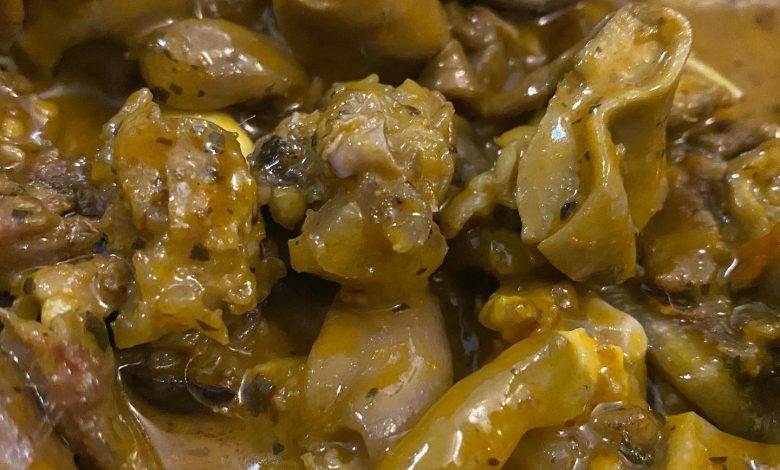

Nkwobi is a South Eastern delight that is relished with great joy. The cow foot cultural and traditional dessert can also be described as a cow leg delicacy. It is usually a mix of spicy, seasoned meats in an emulsion of palm oil.
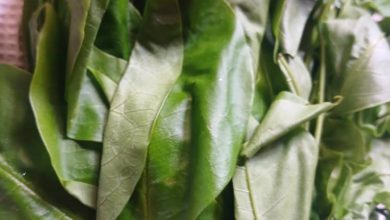
For the type of meats, special meats like goat, cow leg and cow head are usually used for this culinary delight . The flavour of the cultural African Nutmeg and the bitterness of Utazi and sweetness of Onion adds so much to make the dish a spicy and lovely food.
For Nkwobi to be a delicious dish, it must be well-cooked. The tender cow leg is usually mixed with thickened palm oil flavoured with spices and plenty .peppers. This delicacy, usually enjoyed as a snack in the evening, originates in the Igbo-speaking part of Nigeria but is widely sold in restaurants (joints) across the country as well as beyond the shores of the country. The dish is usually prepared with a cow’s leg that’s cooked in a thick, spicy sauce, but it can also be made with a combination of cow’s tail, goat meat, and chicken. Interestingly, in the past, Nkwobi used to be prepared with bush meat such as squirrels, rabbits, and even antelopes. But the story has changed, as a result of civilization.
Nkwobi is a vibrant dessert that captures the spirit of community, tradition, and sensory delight, not just as food but as a living expression of heritage, social connection, culinary ingenuity and cultural emblem.
Cultural Heritage and Social Significance
Nkwobi holds a special place in the social life of Igbo communities. Traditionally served in communal settings from rhythmic weekend gatherings to celebratory events, it embodies collective enjoyment, shared identity, and intergenerational exchange.
Nkwobi serves as a medium of connection: elders share stories over bowls of steaming cow foot, youths learn from seasoned cooks, and communities affirm belonging. In popular culture, the dish is synonymous with festivity, kinship, and hospitality, consistently featured in weddings, naming ceremonies, chieftaincy events, and cultural festivals.
Across Nigeria’s urban nightlife, Nkwobi is equally iconic. Served in specially designed wooden mortars or traditional clay bowls, it bridges rural heritage and urban taste, bringing ancestral recipes into contemporary social spaces.
Restaurants and roadside eateries serve as cultural crossroads where old and young alike savour a dish steeped in history and pride.
The Culinary Craft: Ingredients and Preparation
At its core, Nkwobi is crafted from cow foot, a cut rich in collagen, protein, and connective tissues. Preparing Nkwobi is a culinary ritual, as the cow foot is cleaned, boiled slowly until tender, then mixed with red palm oil infused with ugba (fermented oil bean seed), ground crayfish, chilies, and native spices. A unique blend of ehuru (African nutmeg), uda, and local peppers creates a complex, smoky aroma. Thinly sliced utazi leaves are added not only for flavour contrast but also to punctuate the richness with a slight bitterness, balancing the dish.
Hmmmn, the result is usually, a thick, savoury sauce coating gelatinous chunks of meat that melt on the palate. The tactile experience, which is a rich texture, bold aroma, layered spice is as intentional as it is sensory.
Looking at the health benefit and nutritional value of this delicacy, its core ingredient, cow foot, is high in collagen, an important structural protein. Collagen supports joint health, connective tissues, and skin elasticity. While cow foot is low in muscle fat, it is rich in gelatin, a byproduct of slow-cooking collagen, which may support gut health and digestion.
The use of red palm oil contributes essential nutrients including vitamin E (tocotrienols) and beta-carotene (pro-vitamin A), antioxidants known to support vision, skin health, and immune function. Palm oil also supplies healthy monounsaturated and polyunsaturated fats when consumed in moderation within a balanced diet.
The calorie density and saturated fat content (from connective tissue and oil) also show the importance of portion control, especially for individuals managing cardiovascular health or weight concerns. Balanced accompaniments like the vegetables, leafy Utazi helps to ensure a sound nutritional harmony.
Nkwobi deserves UNESCO ICH recognition because it is a cultural expression and living tradition. Passed down through families, perfected in local kitchens, and performed in communal settings, it embodies knowledge transmission, craftsmanship, and cultural continuity. This is coupled with its social cohesion and identity, which promotes oneness and unity. Whether served at community feasts, cultural festivals, or informal gatherings, Nkwobi catalyzes social interaction, generational dialogue, and a sense of belonging.
The culinary knowledge and skills are tied to the preparation of Nkwobi, which requires specialized know-how like selecting appropriate cuts, balancing spices, and blending traditional ingredients, adding the right onions, local nutmeg, palmoil, salt and many others. This culinary expertise is part of the intangible heritage and tacit knowledge embedded in the practice. The cultural adaptation and resilience of the food equally helps to create a bridge between rural heritage and urban culture. This is because Nkwobi in the South Eastern village compounds and the various city night life of the same, more so as the process go through the same lane. This adaptability loudly reflects a strong cultural resilience, which is a hallmark of intangible heritage worthy of recognition.
Nkwobi should win the UNESCO ICH list because of the representation of local ingredients and practices. All these these highlight the indigenous ingredients (ugba, utazi, palm oil, and native spices), sustained through local agriculture and foodways. This anchors Nkwobi as a symbol of place, ecology, and culinary identity.
Nkwobi is far more than a beloved Nigerian delicacy; it is a sovereign expression of cultural memory, culinary artistry, and communal life. Recognizing Nkwobi on the UNESCO Intangible Cultural Heritage List would celebrate a dish that nourishes bodies, unites communities, and carries forward centuries of tradition through every stirring pot and shared bowl. In its textures and tastes lie the stories of the African, Nigerian, and South Eastern, ancestry, innovation, and collective identity , a heritage worthy of global acknowledgment and preservation.