Uturukpa: Healing leaves & food Nigeria can take to UNESCO ICH List
By Lydia Enyidiya Eke

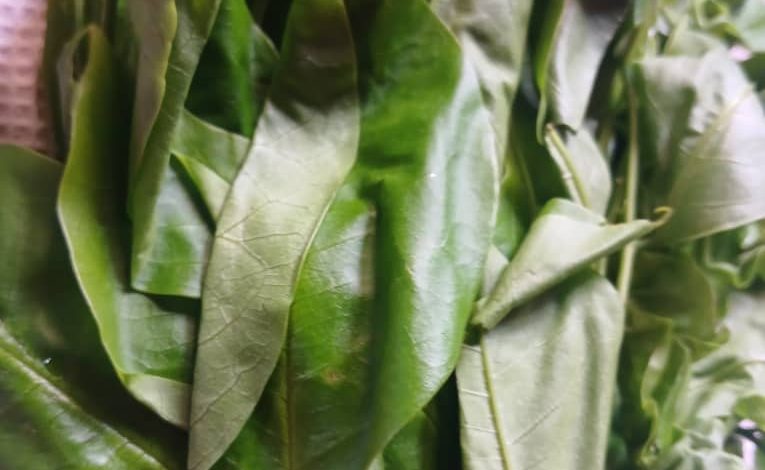

A couple of days ago, my mum visited the popular international West African foodstuff market in Oyingbo, Lagos. I noticed her excitement as she showed me these lovely looking fresh leaves. They look so much like Oha leaves.
It was a closer look that revealed the difference. She smiled, handed them over to me, while saying these are Uturukpa, the tender leaves that look like Oha leaves. I shredded and washed the tender leaves, just the way I will shred my Oha leaves, with the tips of my fingers. Trust the use of my Achi and Offor thickner mix with other ingredients. In less than 10 minutes, the soup was set, and I did not bother to use any swallow to relish the soup. I scooped them with my spoon into my mouth, drank some water and felt so cool.
After eating the soup, I quickly picked up my laptop to have a creative content production from eating the vegetables. The discovery was so inspiring. Lets go…
Uturukpa is a green leafy plant belonging to the legume family. It grows as a shrub or small tree with broad leaves and thrives in humid tropical climates. The leaves are soft when tender and are sometimes harvested fresh for medicinal preparations and basically for cultural, traditional, local soups in many parts of Soth Eastern Nigeria.
The bark, roots, and leaves are all traditionally useful, though the leaves are the most commonly utilized in food and herbal applications.
Across the rich forests, riverine communities, and rural landscapes of Southern Nigeria, these indigenous plants have served as food, medicine, culture, and heritage for generations.
These treasured plants known as Uturukpa, are however lesser known but highly valued, not just as traditional leaves with deep roots in African herbal knowledge but also as good accompaniments to our local cuisine in the tropics.
Known scientifically as Pterocarpus santalinoides, Uturukpa is a tropical plant commonly found in swampy areas, riverbanks, and forest regions across parts of West Africa. In many communities, especially in southeastern Nigeria, the plant is recognized for its medicinal qualities, nutritional value, and role in traditional healing practices.
For many elders, herbalists, and rural dwellers, Uturukpa is more than just a plant. It is regarded as one of nature’s gifts to the community — a natural remedy passed down orally from one generation to another.
What Does Uturukpa Look Like?
Uturukpa is a green leafy plant belonging to the legume family. It grows as a shrub or small tree with broad leaves and thrives in humid tropical climates. Its leaves are soft when tender and are sometimes harvested fresh for medicinal preparations or local soups.
The bark, roots, and leaves are all traditionally useful, though the leaves are the most commonly utilized in food and herbal applications.
Traditional Uses of Uturukpa
In many Nigerian communities, Uturukpa has long been associated with traditional wellness and natural healing. Local herbal practitioners often prepare the leaves by boiling, squeezing, or infusing them in water for various traditional remedies.
Traditionally, Uturukpa is believed to help with:
Stomach discomfort
Digestive problems
Diarrhea
Fever
Inflammation
Wound healing
Blood purification
Body weakness and fatigue
Some communities also use the leaves in postpartum care for women after childbirth because of the belief that the plant helps cleanse and strengthen the body.
Uturukpa as Food
Though less commercially popular than vegetables like ugu or bitter leaf, Uturukpa is sometimes used in indigenous soups and local delicacies in parts of Southern Nigeria.
Its slightly earthy and herbal taste gives traditional soups a unique flavor profile deeply connected to local culinary heritage.
In rural areas, the fresh leaves may be:
Added to soups
Combined with other vegetables
Used in herbal broths
Prepared as medicinal teas
The use of medicinal plants as food reflects the African philosophy that food and medicine are often interconnected.
Nutritional and Health Benefits
Modern scientific interest in Uturukpa has increased because of the plant’s phytochemical content and antioxidant properties.
Researchers studying Pterocarpus santalinoides have identified compounds that may possess:
Antioxidant properties
Antibacterial activity
Anti-inflammatory effects
Antimicrobial potential
These natural compounds may help the body combat oxidative stress and support general wellness.
The leaves are also believed to contain beneficial plant nutrients, minerals, and bioactive compounds that contribute to hydration, digestion, and overall health.
Uturukpa and Indigenous Knowledge
One of the most remarkable things about Uturukpa is how knowledge about the plant has survived largely through oral tradition.
In many African societies, grandmothers, herbalists, farmers, and traditional healers preserved knowledge of medicinal plants long before modern pharmaceuticals became widespread.
Plants like Uturukpa demonstrate the richness of African indigenous science and food systems — systems that modern researchers are now revisiting for their nutritional and medicinal potential.
The Growing Global Interest in African Medicinal Plants
As the global wellness industry increasingly turns toward natural remedies and plant-based nutrition, African medicinal plants are attracting international attention.
From moringa to hibiscus, baobab, bitter kola, and Uturukpa, many traditional African plants are gradually being studied for possible pharmaceutical and nutritional applications.
This renewed interest also highlights the importance of documenting and preserving indigenous African food heritage before valuable traditional knowledge disappears.
Important Caution
Despite its traditional uses, Uturukpa should still be consumed responsibly. Herbal plants can interact with medications or affect people differently depending on health conditions.
Pregnant women, nursing mothers, individuals with kidney disease, and people on medication should seek professional medical advice before using herbal remedies regularly.
Self-medication with unknown plant quantities is not advisable.
A Plant Rooted in Heritage
In today’s fast-paced world filled with processed foods and synthetic supplements, plants like Uturukpa remind us that African communities have long understood the healing relationship between nature, food, and wellness.
Beyond its medicinal value, Uturukpa represents memory, culture, local ecology, and the wisdom of generations who depended on the land for nourishment and healing.
As conversations about food heritage, nutrition, and natural wellness continue globally, indigenous Nigerian plants like Uturukpa deserve greater recognition, research, and preservation.
Food Facts About Uturukpa
Uturukpa is scientifically known as Pterocarpus santalinoides.
It belongs to the legume family.
The leaves, bark, and roots are traditionally used.
It grows mostly in swampy and tropical forest areas.
It is used traditionally for digestion and inflammation.
It contains natural antioxidants and phytochemicals.
Some communities use it in soups and herbal teas.
It forms part of indigenous African medicinal knowledge.
Researchers are studying its antimicrobial and anti-inflammatory properties.
It is considered both a food plant and a medicinal plant in many Nigerian communities.
#FoodHeritage #AfricanFood #Nigeria #TraditionalMedicine #FoodJournalism #IndigenousKnowledge #AfricanPlants #NaturalHealing #CulinaryHeritage #Wellness #Uturukpa