The World Health Organisation (WHO) has urged African countries to take decisive action to integrate mental health and psychosocial support into their emergency response systems, citing the rising mental toll of crises across the continent.
Dr. Mohamed Janabi, WHO Regional Director for Africa, made the call in a statement marking the 2025 World Mental Health Day, themed “Access to Service: Mental Health in Catastrophes and Emergencies.”
Janabi lamented that despite recurring outbreaks, natural disasters, and conflicts, mental health integration in emergency planning remains inadequate across the region.
“Emergencies bring displacement, family separation, grief, and distress,” he said. “While most people experience psychological stress, one in five will face a condition requiring professional care.”
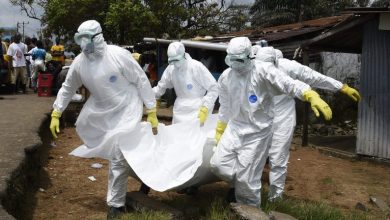
He noted that Africa bears the world’s heaviest burden of public health emergencies, recording more than 100 major events each year — from Ebola and cholera to floods and armed conflict. These, he said, continue to strain fragile health systems and worsen mental well-being.
Highlighting progress, Janabi recalled the 2024 World Health Assembly’s landmark resolution calling for the integration of Mental Health and Psychosocial Support into global preparedness, response, and recovery efforts.
ALSO READ:WHO slams Trump’s claims on paracetamol, vaccines
WHO’s Regional Framework for Mental Health, he added, provides guidance for countries to embed MHPSS in disaster risk reduction and health system strengthening.
However, the regional director expressed concern over weak financing. “Only 10 countries have dedicated mental health budgets, with regional spending below US$0.50 per capita,” he said, urging governments to commit more resources.
To accelerate progress, WHO is encouraging member states to set up multisectoral coordination mechanisms, train first responders in psychological first aid, expand mental health services in primary health care, and uphold the rights of people with severe mental conditions, especially during crises.
“Mental health care is not a luxury—it is a lifeline,” Janabi stressed. “We must ensure that mental health support is available when it is most needed.”
In Nigeria, Dr. Tunde Ojo, National Mental Health Programme Coordinator at the Federal Ministry of Health, said the government has formed a National Task Force on the decriminalisation of attempted suicide and is embedding mental health initiatives across programmes like HIV and neglected tropical diseases.
He added that 27 of Nigeria’s 36 states, including the FCT, now have mental health units within their public health departments—a major step toward national coordination.