Vatican’s financial future uncertain after Pope Francis’ ‘unfinished business’

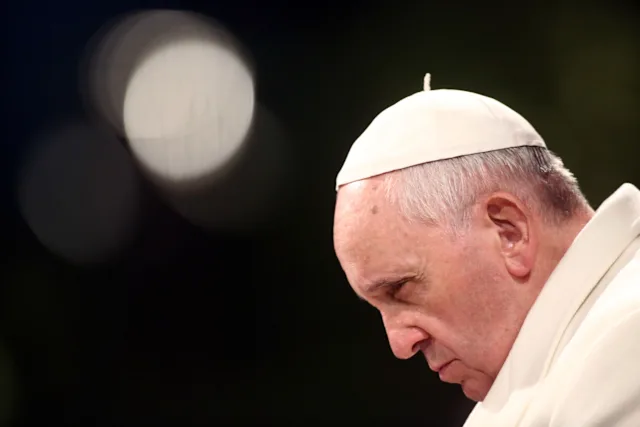

When Pope Francis passed away on Easter Monday, he left behind a legacy of financial reform that, while making significant strides, remains incomplete. During his reign, Francis tackled the Vatican’s troubled finances head-on, introducing measures to cut spending, increase transparency, and eliminate corruption. Despite his efforts, the Vatican still faces significant financial challenges, including chronic budget deficits.
Francis’s financial reforms began early in his papacy, with the introduction of new financial guardrails and disciplines. He also brought in business experts from around the world to assist with financial management. However, his efforts were met with resistance from some within the Curia, who bristled at the Pope’s draconian moves, including slashing salaries for cardinals and eliminating rich housing subsidies for elite staff.
In his final days, Francis remained committed to his financial reform agenda, unveiling a new commission to raise donations and plug budget deficits. The commission was seen as a last-ditch effort to blunt demands from top officials to halt the drive for deep spending cuts.
The Vatican’s financial troubles are long-standing, dating back to the Banco Ambrosiano affair in the 1980s. The scandal, which involved financier Roberto Calvi and the Institute for Religious Works, left a stain on the Vatican’s reputation and depleted the Institute’s reserves.
A new pontiff will inherit a complex financial situation, and it remains to be seen whether they will continue Francis’s efforts to increase transparency and accountability or take a different approach.