Nigeria breaks world record as 30,000 mothers breastfeed babies in one day

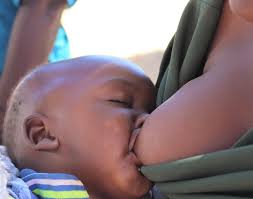

The United Nations Children’s Fund (UNICEF) has said it supported Nigeria to break the world record for the highest number of lactating mothers breastfeeding simultaneously as 30,000 mothers breastfeed their babies, across the country in one day.
Disclosing this in a statement yesterday, to mark the 2024 World Breastfeeding Week, UNICEF also said that Nigeria has significantly progressed to meet the global target of increasing exclusive breastfeeding to at least 50 percent by 2025.
The agency further said that the number of infants under six months of age who are exclusively breastfed in Nigeria has increased by more than 10 percent in the last 12 years, reports Daily Independent.
The statement reads, “Today, 34 percent of infants in Nigeria benefit from this healthy start in life, translating to hundreds of thousands of babies whose lives have been saved by breastfeeding.
“While this significant leap brings us closer to the World Health Organisation target of increasing exclusive breastfeeding to at least 50 percent by 2025, there are persistent challenges that must be addressed.
“Breastfeeding is the foundation of lifelong health and well-being. It is a simple, cost-effective, and natural way to provide infants with the nutrients they need for healthy growth and development”, said Cristian Munduate, UNICEF Nigeria’s Country Representative.
“However, despite its proven benefits, exclusive breastfeeding rates in Nigeria remain low. Many mothers face cultural, social, and practical barriers that prevent them from breastfeeding exclusively for the first six months of their child’s life.
“During this critical period of early growth and development, the antibodies in breast milk protect babies against illness and death. This is especially important during emergencies when breastfeeding guarantees a safe, nutritious, and accessible food source for infants and young children. Breastfeeding reduces the burden of childhood illness and the risk of certain types of cancers and non-communicable diseases for mothers.”
This World Breastfeeding Week, under the theme, ‘Closing the gap: Breastfeeding support for all,’ UNICEF and WHO are emphasising the need to improve breastfeeding support as a critical action for reducing health inequity and protecting the rights of mothers and babies to survive and thrive.
In Nigeria, key gaps in breastfeeding support include insufficient maternity leave policies, lack of workplace support, and inadequate access to breastfeeding education and services, particularly in rural areas. Only seven states offer the recommended 24 weeks of paid maternity leave, and many women return to work without the necessary support to continue breastfeeding.
To close these gaps, the government, employers, healthcare providers, and communities need to collaborate. Policies should be enacted to extend paid maternity leave, create breastfeeding-friendly workplaces, and provide comprehensive breastfeeding education and support services.