Natasha’s Suspension: How Saraki, Ekweremadu saved me from similar fate – Shehu Sani

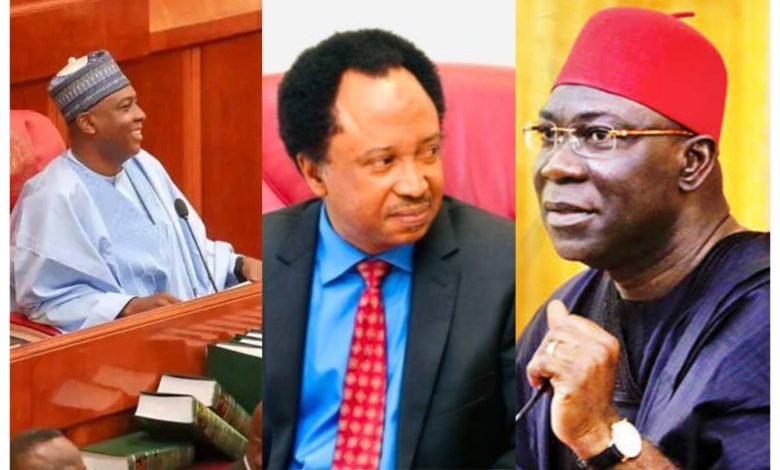

Former Kaduna Central Senator Shehu Sani has revealed that he narrowly escaped a six-month suspension from the Senate in 2018 for exposing lawmakers’ salaries and allowances, drawing parallels to the recent suspension of Senator Natasha Akpoti-Uduaghan.

Senator Natasha Akpoti-Uduaghan
Sani credited his escape to the swift intervention of then Senate President Bukola Saraki and Deputy Senate President Ike Ekweremadu, warning that whistleblowers in the Red Chamber often stand alone.
In a candid post on X on Thursday, Sani recounted the backlash he faced after publicly disclosing that senators earned N13.5 million monthly as running costs, in addition to over N750,000 in consolidated salaries and allowances.
“When I publicly disclosed the salaries and allowances of the senators, it nearly earned me a six months suspension if not for divine intervention, Saraki and Ekweremadu’s immediate rescue
“When I publicly disclosed the salaries and allowances of the senators, it nearly earned me a six months suspension if not for divine intervention, Saraki and Ekweremadu’s immediate rescue,” he wrote.
“Just know that if you are there and you blow the whistle too loudly, you will be ‘On your Own’—no senator go bring him head or neck to support you.”
Sani’s revelation comes in the wake of Senator Natasha Akpoti-Uduaghan’s suspension on March 6, 2025, following her outspoken critique of Senate proceedings, which some colleagues deemed a breach of decorum.
The Edo-born senator’s suspension has reignited debates about transparency and accountability in Nigeria’s upper legislative chamber, with Sani’s comments shedding light on the risks faced by those who challenge the status quo.
His 2018 disclosure sparked outrage among his peers, with “80% of the senators” turning against him
Reflecting on his ordeal, Sani suggested that his 2018 disclosure sparked outrage among his peers, with “80% of the senators” turning against him. “They were calling for my head,” he said in a previous interview, noting that only Saraki and Ekweremadu’s leadership prevented a formal sanction.
The former senator’s decision to go public had been a response to widespread public outcry over lawmakers’ lavish lifestyles amid Nigeria’s economic struggles, but it nearly cost him his seat.
Observers see parallels between Sani’s experience and Akpoti-Uduaghan’s current predicament, highlighting a pattern of resistance to transparency within the Senate.
“Natasha’s suspension shows that little has changed,” said political analyst Amina Yusuf. “The Senate remains a place where speaking out can come at a steep price.”
Sani, a human rights activist turned lawmaker who served from 2015 to 2019, has long positioned himself as a voice for openness in governance. His latest remarks serve as both a cautionary tale and a critique of the Senate’s culture of silence.
If you blow the whistle too loudly, don’t expect solidarity
“If you blow the whistle too loudly, don’t expect solidarity,” he warned, underscoring the isolation faced by reformers.
As Natasha Akpoti-Uduaghan begins her suspension, Sani’s story resonates as a reminder of the personal and political costs of challenging entrenched interests in Nigeria’s legislative corridors.