How property seized from civil servant was converted into university – EFCC

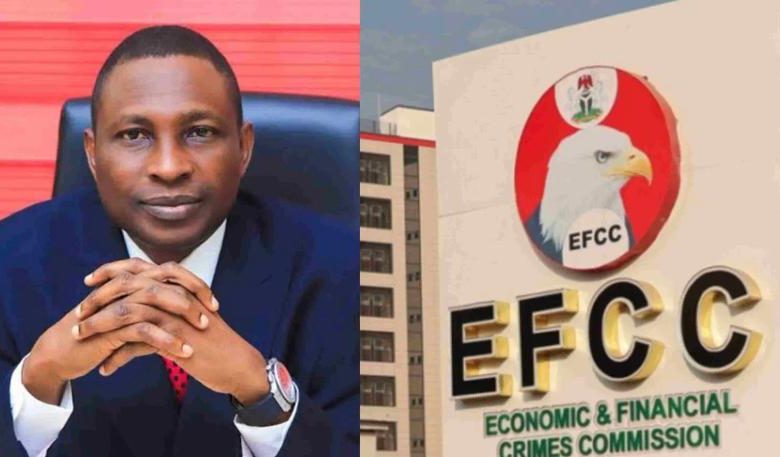

The Economic and Financial Crimes Commission (EFCC) has revealed how a confiscated property belonging to a former civil servant in Kaduna State has been converted into a full-fledged federal university.
Officials described the development as a major milestone in the Commission’s asset recovery efforts, reports Daily Trust.
The Executive Chairman of the EFCC, Ola Olukoyede, disclosed this while speaking at a stakeholders’ sensitisation programme held on Friday in Lagos.
He said the recovered property now houses the newly established Federal University of Applied Sciences, Kachia, Kaduna, demonstrating the Commission’s shift toward using recovered assets to directly benefit the public.
“This is what accountability looks like, assets recovered from corruption being repurposed to serve the people,” Olukoyede said.
The EFCC boss highlighted other recoveries, including funds from the Niger Delta Development Commission (NDDC) used to establish a skill acquisition centre and liaison office in Bayelsa State.
According to him, over N100 billion recovered by the Commission has been injected into critical social programmes under the Tinubu administration, including the Nigerian Education Loan Fund (NELFund) and the CrediCorp consumer credit scheme.
“These are not just headlines, they are real interventions funded by money recovered from corrupt individuals and organizations,” he added.
On the abuse of the naira, Olukoyede warned that acts such as spraying, stamping, and mutilating the currency are illegal and not part of Nigerian culture.
He said the EFCC, in collaboration with the Central Bank of Nigeria, has formed a Task Force on Dollarization and Naira Abuse to intensify enforcement against violators.
“Nobody who works hard to earn money will go out and start throwing their hard-earned salary in the air,” he said, calling for a collective effort to restore respect for the currency.
The EFCC chairman affirmed that enforcement now goes hand in hand with institutional reforms and public sensitization.
This, he noted, included the establishment of a Fraud Risk Assessment and Control Department, a dedicated radio station, and weekly media programmes aimed at educating Nigerians.