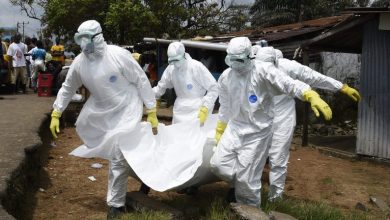
DEADLY OUTBREAK: Lassa fever kills 191 Nigerians as infections spread across 23 states

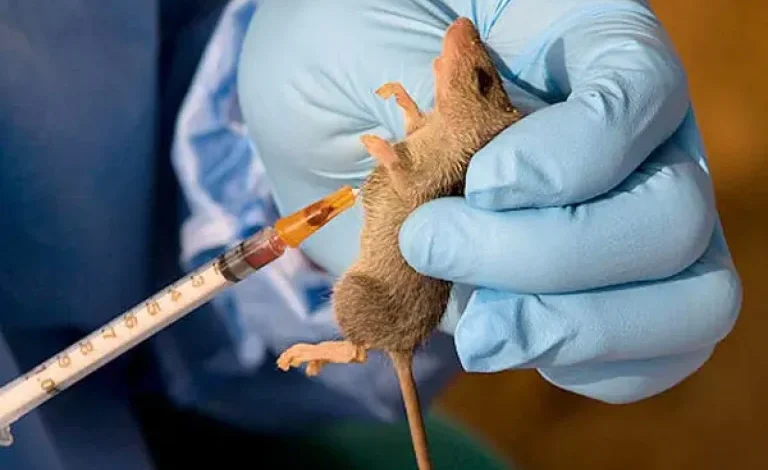

Nigeria is confronting a deadly resurgence of Lassa fever, with 191 lives already lost in 2026, according to new data released by the Nigeria Centre for Disease Control and Prevention (NCDC).
The agency’s latest situation report highlights a sharp rise in confirmed cases and a persistently high fatality rate across affected states, raising concern about the scale of the outbreak, reports Daily Independent.
The NCDC confirmed that new cases increased from nine in Epidemiological Week 17 to 22 in Week 18, with infections reported in Ondo, Edo, and Plateau states.
In total, 23 states across 106 local government areas have recorded at least one confirmed case this year, underscoring the widespread nature of the epidemic.
The outbreak remains heavily concentrated in five states — Bauchi, Ondo, Taraba, Edo, and Benue — which together account for 84 percent of all confirmed cases. Bauchi and Ondo each contribute 26 percent, followed by Taraba with 16 percent, Edo with 9 percent, and Benue with 7 percent.
Demographic data shows that the 21–30 age group is the most affected, though cases span ages from one to 90 years, with a median age of 30. The gender distribution is nearly balanced, with a male-to-female ratio of 1:0.9.
The report also confirmed that one healthcare worker was newly infected in Week 18, highlighting ongoing risks to front-line responders despite intensified infection prevention measures.
The NCDC expressed concern that late presentation of cases continues to drive preventable deaths.
The agency noted that while suspected cases have declined, confirmed infections are rising, suggesting improved detection but also sustained transmission in high-burden areas. The case fatality rate (CFR) has reached 24.6 percent, significantly higher than the 19.2 percent recorded during the same period in 2025.
The report emphasised that Lassa fever is treatable when detected early, but weak health-seeking behaviour and delayed access to care remain major challenges. “The high fatality rate is a clear signal that people are arriving at treatment centres too late,” the agency stated.
In response, the NCDC has activated a multi-partner Incident Management System (IMS) nationwide and intensified outbreak control measures. These include infection prevention and control training for healthcare workers in Ondo and Ebonyi, deployment of rapid response teams to high-burden states, prepositioning of personal protective equipment across treatment centres, community sensitisation campaigns with traditional and religious leaders, and expansion of ring IPC strategies in Benue and other hotspot states.
The agency is working with partners including the World Health Organisation (WHO), UNICEF, the United States Centres for Disease Control and Prevention (US CDC), Médecins Sans Frontières (MSF), ALIMA, and RTI International to strengthen surveillance and response.
It urged states to intensify year-round prevention efforts, particularly environmental sanitation and rodent control, which remain key drivers of transmission.
“All stakeholders must sustain community engagement and strengthen infection prevention practices in both health facilities and households,” the report advised.
The NCDC reaffirmed its commitment to reducing fatalities through early detection, improved treatment access, and stronger protection for healthcare workers. With 191 deaths already recorded in 2026, the agency stressed that urgent action is required to curb the spread and reduce the toll of the disease.