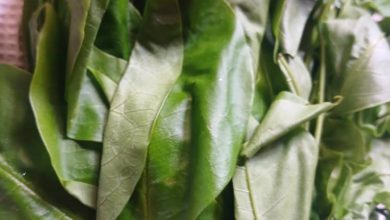
Proudly Nigerian superfood that can gain UN cultural status (Ikokore)
By Lydia Enyidiya Eke

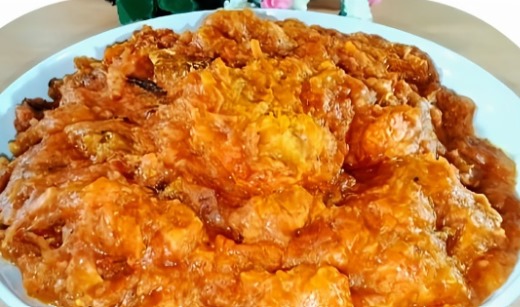

Ikokore is a delightsome cultural and traditional delicacy as well as a culinary heritage that is cooked and eaten in Nigeria amongst the Yoruba, especially among the Ijebu populace.
This cuisine, which has traveled from generation to generation is simply referred to as Ikokore or Ifokore. It is also well known as a water yam delicacy, or some will say a watery porridge that is popular as a Nigerian dish, which is traditionally cooked until it reaches a thick, dough-like consistency.
This traditional delicacy made from water yam, botaanically known as (Dioscorea alata), is grated and cooked with various ingredients like peppers, onions, and spices.
The spicy food is often served with other staples like eba (garri) or amala. This palmoil enriched dish is known for its unique colour, taste, flavour and texture.
Some common ingredients used in ikokore include: water yam, grind red spicy pepper, any type of fish, ranging from panla to titus, croaker, shawa or cat fish, chopped ponmo, chopped liver, chopped beef, shrimps , palm oil, ogiri & seasons.
The nutritional value of Ikokore is numerous. The food is rich in complex carbohydrates and healthy starch. I it is also a good source of fibre, vitamins (C, B6), and minerals like potassium, and manganese amongst others. The vital role of antioxidant properties are not left out.
In terms of the health benefits, eating ikokore can help to support the digestive health system of the body, especially the fibre content. The complete balanced diet of the yam delicacy can help regulate blood sugar levels in the body and provide energy, carbohydrates, as well as support the immune function of vitamin C in the body. The high potassium content also can help lower blood pressure in the body.
Ikokore is a good friend of anti-inflammatory properties, it can support healthy skin and wound healing, while aiding in managing cholesterol levels.
Ikokore however, holds a valuable cultural significance in Yoruba tradition, because it is often served as aunique cuisine at gatherings and special occasions.
Why should Ikokore be listed on the UNESCO Intangible Cultural Heritage List? The answer is simple – Ikokore can be described as a traditional and cultural super food that remains a communal food readily relished by South Western Nigerians and even diaspora of all ages. Social gatherings, especially South Western Nigerian gatherings sit with Ikokore, which is often served at such gatherings, parties, and festivals, bringing people together.
The gatherings have uniquely moved from Ijebu to every part of Nigeria and beyond. The cultural identity of Ifokore is a symbol of the country’s culture and hospitality, not just in the West, but even across the continent. The diaspora have a rich culinary heritage in the making and eating of Ikokore. It is pertinent to note that over the years, mothers have taught younger women and girls how to specially coin the wateryam together, first by selecting the right yam, peeling it well and grating to create the unique moldy moulds into the hot boiling pot.
In terms of documentation, the food has a strong evidence of cultural essence, including its history, preparation methods, and its role in the Nigerian society. In terms of its community involvement, many Ikokore , chefs, vendors, consumers, and cultural experts form a strong value chain, especially looking at the economic capacity of Ikokore.
Well, it essential that government create a proper nomination file that can be compiled in a detailed documentation of the role of this cuisine.
These include photos, videos, and testimonials that would enable its listing in the UNESCO list.
The benefits of this UNESCO Recognition is basically for the cultural preservationof the food. The preservation will affect the making techniques and promote its cultural heritage. This would be a plus that would boost tourism and economic benefits as well as accelerate cultural exchange. The most essential is the global and international recognition of Ikokore as one of Nigeria’s rich cultural heritage.
Lets visit the kitchen
Recipe for 6 servings
1.1 big water yam [grated]
2. 7 fresh Peppers (scotch bonnet or bell peppers)
3. 1 large white, purple or green Onions
4. Salt and seasoning to taste
5. 2 large titus or panla smoked fish [deboned]
6. Some locust beans to taste
7. 1 cup fresh cleaned shrimps
8. 1 cup of chopped ponmo, liver, offals, beef and gizzard
9. 2 tablespoons ground crayfish
10. 2 cooking spoons palmoil
Method
1. Wash, peel and grate the water yam and set aside.
2. Blend all the assorted peppers and onions into a smooth puree or paste.
3. Heat the palm oil in a pot, add some chopped onion, and sauté for two miniutes.
4. Add the other ingredients like the meat, fish,, shrimps, crayfish, locust beans and others.
5. Add the salt, and seasoning to taste as you stir and cover the pot.
6. Uncover the pot and add the grated water yam by using your bare hands to drop into the pot as if you dropping moulds of puffpuff.
7. Cook until the mixture thickens, stirring occasionally.
8. Add other optional ingredients where necessary if need be.
9. Serve hot with any accompaniments like eba, amala, or rice.