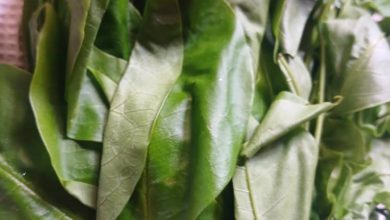
Telling the African, Nigerian food story – Amala & Abula (Ewedu & Gbegiri) soup
By Lydia Enyidiya Eke


Nigeria remains the most populous black nation on earth and her culinary strength is palpitating across Africa and globally.
Known as one of the 54 African countries, this unique nation is located in the heart of Africa and a great country with unique culinary traditions.
This great nation is known for her diverse and vibrant culture and people.
Trust me, as an inquisitive food journalist as well as a foodie, and adventurous culinary coach who seeks to make impact through food and nutrition, I will moving across the country and the continent to tell our unique culinary narrative.
The questions is why I have decided to do this.
Well, I choose the telling of our unique culinary narrative by running a culinary DIY Academy [Gourmet Guide234] on YouTube and food blog, while using media convergence and food journalism as tools in sharing our healthy, homemade as well as immune boosting culinary unique selling point.
In the course of telling the Nigerian and African food story to a global audience, I decided to tell the story of this well-known South Western Nigerian swallow and soup [This is a combination of two tasty soups, Ewedu and Gbegiri] which of course is the same as Abula and Amala.
Abula and Amala, a traditional Yoruba dish, are relished by the people of Oyo, Osun, Ogun, Kwara, and Lagos States in Nigeria for generations before now.
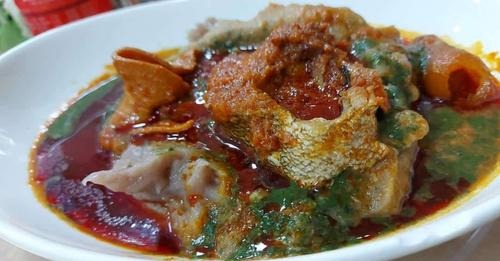
Abula is a delicacy made from three soups: Gbegiri (beans soup), Ewedu (jute leaves soup), and Obe Ata (spicy pepper soup/stew).
These soups combine flavours and textures, creating a harmonious blend of natural flavours and textures when served together.
It is important to note that these soups are usually seasoned with local spices like iru, onions, and palm oil.
Abula is a traditional Nigerian soup mix consisting of three main components: Gbegiri (beans soup), Ewedu (jute leaves soup), and Obe Ata (spicy pepper soup/stew).
Abula is enjoyed in Nigeria and the diaspora, with contemporary chefs modernizing its presentation while preserving its authenticity.
Amala on the other hand, is a Yoruba swallow made from yam flour, cassava flour, or plantain flour. Common types include Isu, Lafun, and Ogede.
Prepared by stirring flour in hot water, it has a soft texture and is best enjoyed hot with soups.
How to prepare Amala
Amala is a traditional Nigerian swallow. This food is particularly popular among the Yoruba ethnic group in the southwestern part of the country. It is made from either yam flour, cassava flour, or unripe plantain flour.
Any of these swallows can be typically served with this soup – Ewedu, and Gbegiri, amongst others.
But for this delicacy, I will prefer the preparation of Amala Isu, that is, yam flour and Amala Lafun, that is Cassava Flour.
HOW TO MAKE AMALA [HEALTHY & HOMEMADE]
1. Sieve the yam flour to remove any unwanted particles.
2. Pick up your turning stick and spoon (igbako) and drop them into a sizeable bowl of water.
4. Add a small amount of vegetable oil to the water and the spoon, to prevent the yam flour from sticking to the stick.
5. Set a sizeable pot on fire, add some water to the pot and allow it to boil until it bubbles.
6. Reduce from the heat and reserve some water in a cup.
7. Pour the yam flour into the boiling water with your left hand while stirring with your right hand until the consistency is smooth.
8. Add the reserved water to the mixture and let it cook for one or two minutes.
9. Remove from heat and continue the stirring of the yam delicacy until very smooth and chocolatey in colour.
10. Portion the Amala and serve hot, alongside the Abula soup
How to Prepare Amala Lafun [Casssava Flour]
1. Set a sizeable pot on fire until it boils with a bubble.
2. Remove the hot water from heat and gradually add the cassava flour while stirring until smooth.
3. Return the mixture to the heat, add a little water, and let it cook for one or two minutes.
4. Stir the mixture until smooth and lump-free.
5. Remove from heat and serve hot.
EWEDU SOUP
Ewedu soup, is made from jute leaves. This is a very well known soup amongst the Yoruba. This soup takes about 10 minutes to prepare and it is often served with the Amala, Lafun or the likes of Iyan, Fufu, Amala, or Semo. It is particularly popular as part of Abula, which includes Gbegiri and Ewedu.
Steps to Prepare Ewedu Soup:
1. Remove the ewedu leaves from the stem.
2. Rinse and chop the ewedu leaves.
3. Boil water and add a small quantity of bicarbonate of soda (kaun).
4. Add the ewedu leaves and let them cook.
5. Use an ewedu broom (ijabe) to whisk the mixture.
6. Add iru (fermented locust beans), salt, and Maggi seasoning.
7. Optionally, add ground melon seeds (egusi).
Another Method:
1. Cook the ewedu leaves.
2. Blend the cooked leaves with iru.
3. Add salt and Maggi seasoning.
4. Heat the blended mixture for 15 seconds.
Gbegiri Soup
Gbegiri soup, made from peeled cooked beans, is another popular Yoruba dish. It is usually served with Ewedu and stew.
Steps to Prepare Gbegiri Soup:
1. Soak the beans (brown or honey beans) in water.
2. Peel the beans and remove any unwanted parts.
3. Boil the beans until very soft and pulpy.
4. Whisk the cooked beans with a broom or blend them until very smooth.
5. Add the palm oil (epo pupa).
6. Add the sliced onions, iru, salt, and seasoning to taste, pepper (dried or fresh), and fish.
7. Heat the mixture for 1-2 minutes.
8. The Gbegiri is ready to serve.
Abula Soup
Abula is a combination of Gbegiri, Ewedu, and stew made with assorted meats (like kpomo, and beef) or fish. It is typically eaten with Amala but can be enjoyed with other swallows.
Note that the steps to undertake to prepare Abula Soup is usually, a sumptuous combination of Ewedu Soup and Gbegiri Soup, with palm oil pepper sauce.
•Lydia runs a food blog and food channel on YouTube, Instagram and Facebook – Gourmet Guide234, remember to subscribe and follow.