Luru [Proudly Nigerian Superfood that can Gain UN Cultural Status]
By Lydia Enyidiya Eke


It was a bright Thursday morning that opened up as a beautiful day. Sitting quietly in the newsroom at UnilagFM, the first campus radio station in Nigeria and looking through some news stories, my phone rang. I picked it up and lo, it was the voice of Editor Lekan Otunfodunrin, a Veteran Journalist, media trainer and leadership coach, who always spend time to go an extra mile to impact the younger generation of journalists, media and communication students at home and abroad.
His soft voice at the other end of the line was persuasive and urging. He was invited as a special guest to the University of Lagos Mass Communication Press Club induction ceremony, but owing to some circumstance, he would not be available and he was calling to implore me to show up and interact with the students.
I showed up at the venue to see a roomful of young cerebral minds, who were willing to drink from the well of solutions and development journalism. The time spent interacting with them was so fulfilling, impactful and worthwhile, especially sharing so many on-the-job narratives the young hearts were willing to glean from.
Trust me, I delved into food journalism and encouraged them to use the opportunity they have to establish the various skills they have. Many of them reached out to work with us at UNILAG RADIO/TV.
One of them is Elizabeth Otitodun Oluwaponmile, a young 200 level student of English Language from Kogi State. After her early morning class was cancelled, she joined us at induction ceremony. After the meeting, she met me and our interaction was both inspiring and insightful. As one of the guest speakers at the occasion, she noted that the way I spoke passionately about resilience, purpose, and the importance of remaining committed to one’s craft despite challenges, resonated deeply with her.
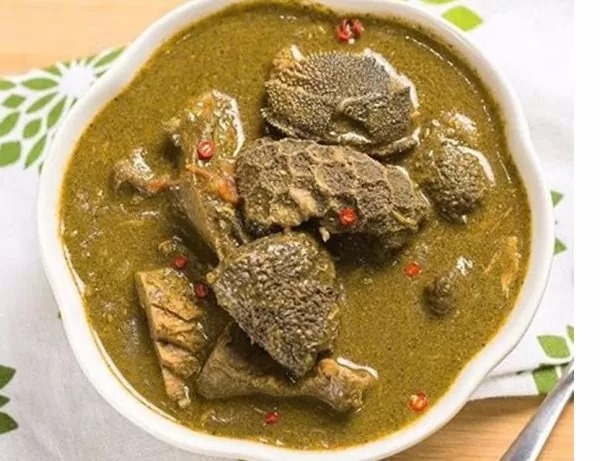
In the course of our conversation, what began as a casual exchange however turned into a culinary and cultural discussion, leading her to introduce us to this cherished delicacy from her hometown in Mopa Muro, Kogi State. This culinary delight is known as Luru. However travelling up North, this is known as Miyan Kuka.
Thank you Elizabeth…
Luru is a traditional soup eaten by local communities in Mopa Muro, a village tucked in the western part of Kogi State, Northern Nigeria.
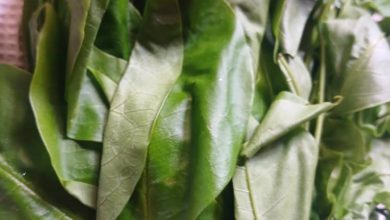
Widely known across Northern Nigeria as “Miyan Kuka,” the soup is made from dried, ground baobab leaves, locally called kuka. Its distinctive green colour, earthy aroma, and slightly slimy texture set it apart, making it both visually striking and nutritionally valuable.
The main ingredient of Luru is “kuka” powder, derived from baobab leaves. It is commonly prepared with beef, tripe, dried fish or stockfish, locust beans (dawadawa), crayfish, pepper, onions, palm oil, and seasoning. Despite its rich flavour profile, Luru is remarkably quick to prepare, often taking less than twenty minutes.
The preparation process involves cooking the meat and fish first, adding seasonings and flavourings, and then carefully whisking the kuka powder into the stock to achieve a smooth, lump-free consistency. The soup is traditionally served hot with any traditional swallow, especially tuwo shinkafa.
Beyond its taste, Luru is celebrated for its impressive nutritional value and health benefits. It is rich in both soluble and insoluble fibre, promoting healthy digestion, regular bowel movements, and improved gut health. The fibre content also supports blood sugar regulation by slowing the release of glucose into the bloodstream. Baobab leaves contain exceptionally high levels of vitamin C, antioxidants, and essential minerals such as calcium, magnesium, potassium, and iron. These nutrients contribute to immune system support, heart health, strong bones, healthy skin, and sustained energy levels.
Traditionally, Luru is recommended for postpartum mothers and individuals recovering from illness due to its restorative properties.
Culturally, Luru carries deep symbolic meaning. The baobab tree, from which the soup is derived, is often referred to as the “Tree of Life” across many African societies. It represents resilience, longevity, and sustenance. The tree provides food, medicine, shelter, and even water storage, especially in arid regions.
In surrounding communities, Luru is more than a meal, it is a marker of identity and belonging. It is commonly served at home, at special events, weddings, naming ceremonies, and communal gatherings, thus, symbolising hospitality, abundance, and shared heritage.
Medicinally, the use of baobab leaves equally reflects the deep connection between food and traditional healing practices. Reports say for generations, different parts of the baobab tree have been used to treat ailments such as fever, diarrhoea, dysentery, and inflammation. This intertwining of nourishment and medicine highlights indigenous knowledge systems that continue to sustain communities today.
Looking at UNESCO Recognition, Luru meets UNESCO’s definition of an Intangible Cultural Heritage element, which embodies the traditional knowledge of the food, especially because it is rooted in centuries-old food preservation and culinary practices. The community identity helps in strengthening bonds through communal eating and festive gatherings.
The sustainability aspect is also unique especially, in demonstrating how local communities adapt to seasonal challenges is a big issue as well, while the oral transmission in ensuring skills and values are handed down through generations.
Enlisting Luru on UNESCO’s Intangible Cultural Heritage list would not only preserve this culinary treasure but also spotlight Nigeria’s broader contribution to Africa’s food heritage.
From the kitchens of Kogi, Kwara and other middle belt households , Luru is more than just a green- looking delicacy. It is a story of a people, their culture, identity and resilience. It nourishes the body, strengthens identity, and sustains tradition. In every bowl lies history, health, and heritage.
I am however wowed by Elizabeth’s comment which I will leave as a quote. “Ultimately, sharing Luru with Lydia, I realised that food serves as a powerful medium for storytelling. It carries history, culture, and values across spaces and conversations. Luru is not merely a soup; it is a testament to the resilience of a people, the richness of local traditions, and the enduring relevance of indigenous culture in modern conversations. Through dishes like Luru, communities preserve their identity, pass down knowledge, and affirm the interconnectedness of culture, nature, and life.”