RULAAC demands independent probe of Lagos CP over alleged torture of activist Hassan Soweto

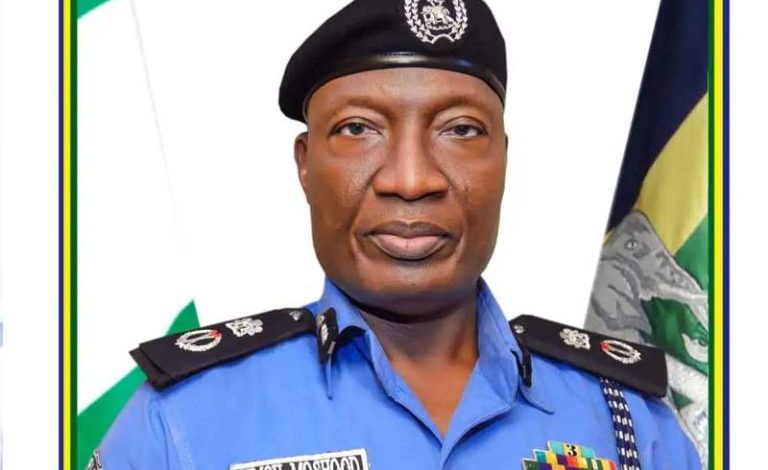

The Rule of Law and Accountability Advocacy Centre (RULAAC) has called for an independent probe of the Lagos State Commissioner of Police, Jimoh Olohundare Moshood over allegation that he allegedly supervised and personally participated in the torture of human rights activist, Hassan Taiwo Soweto.
On January 28, 2026, Soweto was arrested by operatives of the Nigeria Police Force at the gate of the Lagos Assembly complex where he had led hundreds of residents of displaced communities including Makoko, Owode Onirin, Oworonshoki, Otumara and Baba-Ijora to reject the demolitions of their houses.
The activist accused the Lagos State Commissioner of Police, Jimoh Moshood, of actively joining other police officers in torturing him.
Injuries on Soweto’s face
RULAAC’s executive director, Okechukwu Nwanguma condemned the alleged torture and inhuman treatment of Soweto, particularly the alleged involvement of the Lagos State Commissioner of Police, Jimoh Moshood whom Soweto accused that he personally participated in the action.
RULAAC pointed to photographs circulating in the public domain showing injuries sustained by Soweto, which, combined with his detailed account, raise serious questions about excessive use of force, torture, and abuse of authority by the police.
Soweto’s leg showing an injury
The group stressed that if substantiated, these actions would violate key Nigerian laws and international obligations, including the rights to dignity, personal liberty, and fair hearing.
According to the statement, the allegation if proven, violated Nigeria Police Act, 2020, mandating professionalism and respect for human rights, the Administration of Criminal Justice Act (ACJA) prohibiting torture, Nigeria’s commitments under the African Charter on Human and Peoples’ Rights and the UN Convention against torture.
RULAAC emphasized that peaceful protest is a constitutionally protected right, not a crime, and that suppressing it through force signals a dangerous erosion of democratic space and civic participation.
RULAAC then called on the Police Service Commission (PSC) to urgently launch an independent, impartial, and transparent investigation into the allegations against the Lagos CP and officers who allegedly involved in the torture of Soweto.
Here’s the full statement from RULAAC below
The Rule of Law and Accountability Advocacy Centre (RULAAC) expresses grave concern over the disturbing allegations made by Mr. Hassan Taiwo (popularly known as Soweto) regarding his arrest, assault, and treatment by officers of the Lagos State Police Command following the peaceful anti-demolition protest of January 28, 2026.
The account, authorised by Mr. Soweto and communicated through his representatives, alleges that he was forcibly abducted, assaulted, blindfolded, restrained, denied access to legal counsel and family, and subjected to degrading and inhuman treatment while in police custody. Particularly troubling are allegations that the Commissioner of Police, Lagos State Command, personally participated in or directed these actions.
RULAAC has taken note of photographs currently in the public domain showing injuries allegedly sustained by Mr. Soweto during his encounter with the Police. These images, taken together with the detailed account provided, raise serious questions about excessive use of force, torture, and abuse of authority.
If established, these actions would constitute flagrant violations of the 1999 Constitution of the Federal Republic of Nigeria (as amended), particularly the rights to dignity of the human person, personal liberty, and fair hearing; the Nigeria Police Act, 2020, which mandates professionalism, restraint, and respect for human rights; the Administration of Criminal Justice Act (ACJA), which expressly prohibits torture, coercion, and denial of access to legal counsel; and Nigeria’s obligations under international human rights treaties, including the African Charter on Human and Peoples’ Rights and the UN Convention Against Torture.
Still on Soweto’s torture
RULAAC emphasizes that peaceful protest is not a crime. The use of force to suppress constitutionally guaranteed rights to expression and peaceful assembly represents a dangerous slide toward the criminalisation of civic participation and the shrinking of democratic space.
Equally concerning is the allegation that Mr. Soweto was denied access to his lawyers and that his whereabouts were deliberately concealed from civil society actors seeking him—conduct inconsistent with lawful arrest and detention procedures.
Call for Police Service Commission Intervention
In view of the seriousness of these allegations and the seniority of the officer implicated, RULAAC calls on the Police Service Commission (PSC) to:
1. Immediately institute an independent, impartial, and transparent investigation into the allegations against the Lagos State Commissioner of Police and all officers involved;
Soweto and other activists during a visit to one of the protesters at LASUTH. She was injured by teargas cannister fired by the police
2. Examine medical reports, photographs of injuries, custody records, and CCTV footage where available;
3. Ensure accountability and appropriate disciplinary action, should the allegations be substantiated; and
4. Reaffirm clear directives to all police commands on the prohibition of torture, denial of legal access, and repression of peaceful protest.
RULAAC further recalls that this is not the first time allegations of police brutality have been raised in relation to peaceful protests in Lagos, underscoring the urgent need for institutional accountability and oversight.
Public confidence in policing cannot be sustained through denial or intimidation. It is sustained only through truth, accountability, and adherence to the rule of law.
RULAAC will continue to monitor developments closely and stands in solidarity with all citizens exercising their lawful rights to peaceful assembly and expression.