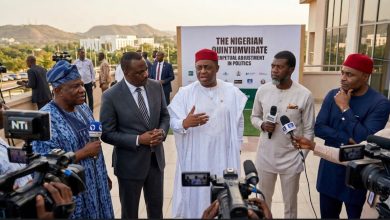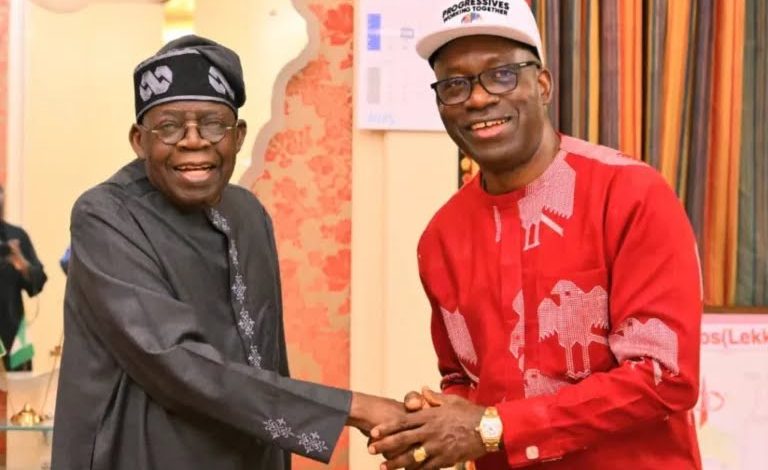

Governor Charles Chukwuma Soludo has emerged as one of the loudest cheerleaders of President Bola Tinubu’s so-called “bold reforms.” But for millions of Nigerians who wake each day to skyrocketing prices, collapsing businesses, and deepening poverty, these reforms are nothing short of reckless experiments carried out on human lives. Soludo, ensconced in elite privilege, sees sunshine where ordinary citizens see storm clouds.
We have been here before. In the early 1970s, Ajie Ukpabi Asika, then Administrator of East Central State, dismissed the cries of the suffering with the cynical Igbo saying: “Onye ube lulu ya rachaba” — let the one who harvested the pear enjoy it. It was a smug declaration that those who benefit from power should simply eat their fill, regardless of who starves.
But history answered him swiftly. Dr. Nnamdi Azikiwe, Nigeria’s first President, shot back with a timeless reminder: “No condition is permanent.” And indeed, the tables soon turned. Power shifted, fortunes changed, and those who once mocked the hungry found themselves displaced by the tides of history.
Today, Soludo and the rest of Nigeria’s ruling elite would do well to heed Zik’s warning. The pain of the people cannot be drowned out by elite soundbites or economic jargon. The hardship is real, and it is widespread. If those in power continue to look away while millions sink into despair, they will discover—sooner than later—that no amount of privilege can shield them from the consequences.
The call is simple: reform the reforms. Cushion the blows. Put people before power. Otherwise, history will do what it always does—sweep away the arrogance of the few in the righteous anger of the many.
Governor Soludo and President Tinubu stand as symbols of Nigeria’s current elite, beneficiaries of policies that ordinary citizens experience as reckless reforms. Millions wake each day to soaring costs, economic uncertainty, and deepening hardship, while elites enjoy the shield of privilege. It is in this context that I call on the *Media Chiefs of the Forum* to amplify this piece widely, so that its message reaches the very doors of these leaders.
Policies are not abstractions; they affect lives, shape destinies, and, in times of mismanagement, can devastate millions.
Leaders must be reminded that privilege and power are temporary, and that history ultimately judges the wise and the reckless alike.
As the Igbo proverb wisely states:
*“Oke soro ngwere maa mmiri, ya gbachie nkiti mgbe mmiri zuru”* — when the rat follows the lizard into the rain, both must remember that they will be drenched.
Power may protect the elite for a time, but no condition is permanent. History does not forgive indifference or arrogance.