ISWAP terrorists kill several farmers despite payment of levy to allow farming in enclave

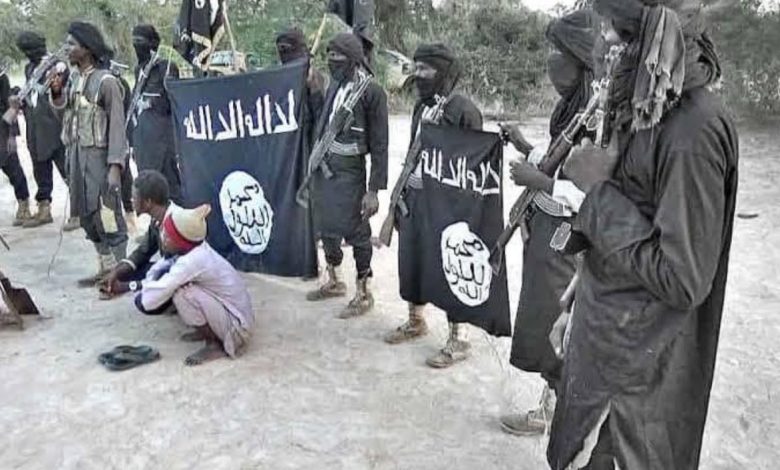

In a shocking and devastating turn of events, fighters of the Islamic State of West African Province (ISWAP) have killed several farmers in Daban Gajere, Kukawa Local Government Area of Borno State, despite an earlier agreement to permit farming activities in their enclave.
The incident has sent shockwaves through the community, highlighting the precarious and complex relationship between civilians and armed groups in conflict-affected areas, reports The Guardian.
The farmers had negotiated with a faction of ISWAP, paying levies to secure access to farmland near Daban Leda, close to Mangari, approximately eight kilometers from Baga town
According to intelligence sources, the farmers had negotiated with a faction of ISWAP, paying levies to secure access to farmland near Daban Leda, close to Mangari, approximately eight kilometers from Baga town. The arrangement was intended to allow them to cultivate their crops without interference. However, another ISWAP group, unaware of the agreement, intercepted the farmers and opened fire, killing several of them.
The Chairman of the Lake Chad Fishermen Association, Abubakar Gamandi, confirmed the incident, stating that some survivors of the attack had reported the betrayal by the armed group. “Our farmers were killed after they went to the ISWAP enclave to farm. They had made an arrangement with ISWAP and paid them money.
“Unfortunately, another faction of ISWAP, unaware of the agreement, attacked them. This is what the survivors who escaped told us,..
“Our farmers were killed after they went to the ISWAP enclave to farm,” Gamandi said
The exact number of casualties remains unclear, as more survivors are still emerging from the area. The Nigerian military had established secure perimeters where farmers and fishermen could operate under military protection. However, some farmers opted to negotiate directly with ISWAP, bypassing the safe zones, which ultimately resulted in tragic consequences.
In some instances, farmers and fishermen who enter ISWAP-controlled areas are used as couriers or logistical suppliers. When they fail to meet demands, they are accused of espionage and face severe consequences. The incident demonstrates the risks civilians take to sustain their livelihoods in conflict-affected areas, often exposing themselves to violence or death.
Over 2,000 farmers and fishermen are reportedly still operating in ISWAP enclaves
Despite the dangers, over 2,000 farmers and fishermen are reportedly still operating in ISWAP enclaves, often caught in crossfire during rival clashes or killed by factions that suspect them of betrayal. The situation highlights the need for a comprehensive approach to addressing the complex dynamics of conflict and civilian-military relations in the region.