



Nigeria’s informal sector, dominated by Micro, Small, and Medium Enterprises (MSMEs), has long been recognized as the backbone of the country’s economy. Despite their significant contributions—accounting for nearly 90% of jobs and over 45% of the national GDP—87% of these businesses operate informally, outside of the regulatory framework and formal tax system, Tony Chinwe, a financial expert, argued.
He stated that a targeted tax reform could be the key to unlocking the full potential of this sector and integrating it into the formal economy.
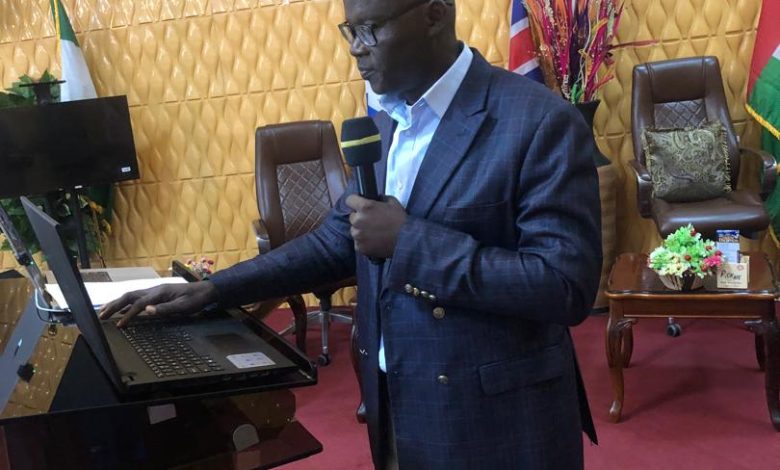
Chinwe who was speaking in Lagos yesterday at the Blakey National Taxation Conference emphasized that the challenges facing informal MSMEs are multifaceted. “These businesses often struggle with low profitability, limited access to formal credit, and poor business skills,” he notes.
A recent study indicates that while 89% of informal businesses in Nigeria do pay some form of tax, these payments are typically in the form of market levies that do not flow into the government’s official revenue channels. This, Chinwe says, is a missed opportunity for both the government and the businesses themselves.
“The current tax regime is overly complex and burdensome, which discourages informal businesses from transitioning into the formal economy,” Chinwe explained while pointing out that the multiplicity of taxes—across federal, state, and local levels—combined with a lack of coordination among tax agencies, creates a confusing and often intimidating environment for small business owners.
He added that this has led many to remain informal, avoiding the perceived complications and costs associated with formal registration and compliance.
Chinwe, a multi-talented engineer with multiple university diplomas in diverse fields, advocated for a comprehensive overhaul of the tax system to better accommodate the realities of the informal sector.
“An effective tax model should simplify the process, reduce the number of taxes, and offer clear incentives for informal businesses to formalize,” he asserted while suggesting that the government could encourage formalization by providing tangible benefits such as access to suitable financing, government contracts, and subsidies.
Additionally, Chinwe highlights the need for ongoing education and awareness campaigns to help informal business owners understand their tax obligations and the benefits of compliance.
A key element of Chinwe’s proposed reform is the development of a centralized technology platform for tax administration. This platform, he argues, would streamline tax payments, reduce the costs associated with compliance, and improve the efficiency of tax collection.
“By centralizing the tax administration process, we can eliminate the confusion caused by multiple tax authorities and reduce the opportunities for corruption and extortion,” he says.
Chinwe also stresses the importance of fostering a gradual formalization process, allowing informal businesses to transition at a manageable pace. “The government should introduce a simplified and lower tax rate specifically for MSMEs, which would make the prospect of formalization more attractive,” he suggests. He adds that by reducing direct taxes on income and focusing more on consumption taxes, the government could lessen the tax burden on small businesses, encouraging them to come out of the shadows.
The Finance Act of 2019 has already made some strides in this direction, with provisions such as exempting companies with annual turnovers of less than ₦25 million from Company Income Tax (CIT) and introducing a reduced CIT rate of 20% for companies with turnovers between ₦25 million and ₦100 million. However, Chinwe believes that more can be done to build on these reforms and create a more supportive environment for MSMEs.
“The goal should be to bring more businesses into the formal economy, not to increase the tax burden on those that are already compliant,” Chinwe concludes. He argues that if the government adopts these recommendations, a significant portion of Nigeria’s informal sector could be integrated into the formal economy, leading to increased tax revenue, better regulation, and a more robust economic environment for all.
Tony Chinwe’s vision for a reformed tax system represents a crucial step towards unlocking the potential of Nigeria’s informal MSMEs. By addressing the barriers to formalization and offering clear incentives, the government can transform these businesses from being part of a shadow economy into powerful contributors to national growth and development.


