Oshiomhole sparks fresh controversy, says ‘political sins cannot send politicians to hellfire’

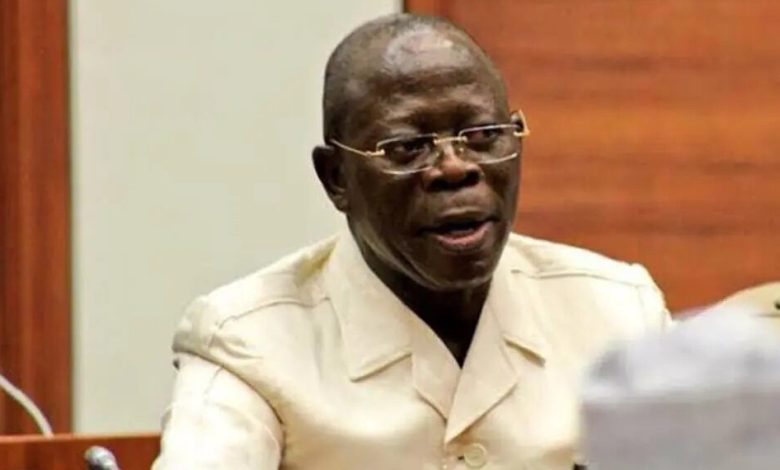

Former Edo State governor and current senator, Adams Oshiomhole, has ignited discussion across political and social media circles after asserting that “political sins” cannot condemn a politician to hellfire.
The statement, delivered during the All Progressives Congress (APC) state congress on Tuesday, came as Oshiomhole addressed party leaders and delegates, urging reconciliation and unity ahead of upcoming political contests. Speaking in a lighthearted but pointed tone, he sought to calm lingering tensions within the party following internal disagreements during the last governorship election.
At the heart of the congress was re-elected APC state chairman Jarret Tenebe, who had apologized to stakeholders for past actions that may have offended party members. Oshiomhole emphasized forgiveness and cohesion, suggesting that political disagreements should not be treated as eternal moral failings.
“Political disputes are part of democratic engagement,” the senator said. “They should not be equated with spiritual or moral wrongdoing.” His comments aimed to reinforce party unity and encourage members to focus on constructive political collaboration rather than dwelling on past conflicts.
However, Oshiomhole’s remark quickly sparked controversy online. Critics warned that equating political mistakes with harmless disputes risks trivializing issues such as corruption, mismanagement of public funds, and abuse of office. Many social media users stressed the need for accountability and ethical governance, regardless of party politics.
Supporters argued that the statement was taken out of context, highlighting that Oshiomhole’s focus was on reconciliation and peace within party ranks, not excusing wrongdoing.
The APC state congress concluded with unanimous endorsements of party leadership, signaling a push for unity. Yet, the debate over what constitutes political wrongdoing versus moral culpability continues to resonate across Nigeria’s political landscape, reflecting the public’s demand for transparency and responsibility in governance.